

The Psychology of Spending: How to Develop a Wealth-Building Mindset
Money is more than just numbers—it’s deeply tied to emotions, habits, and psychological patterns. The way we spend, save, and invest is often influenced by subconscious beliefs formed through personal experiences, cultural norms, and societal pressures. Understanding...
Liquidity vs. Returns: Finding the Right Balance in Your Investment Strategy
When investing, one of the most critical yet often overlooked considerations is the trade-off between liquidity and returns. Liquidity refers to how easily an asset can be converted into cash without significantly impacting its value. On the other hand, returns...

Cryptocurrency vs. Traditional Investments: Navigating Risk in a Volatile Market
In investing, risk and reward often go hand in hand. With the rise of cryptocurrencies, investors face a new frontier that challenges traditional investment norms. But how do cryptocurrencies compare to conventional investments, and how can investors navigate the...
Understanding the FIRE Movement: Financial Independence and Early Retirement Explained
In recent years, the FIRE movement—short for Financial Independence, Retire Early—has captured the imagination of individuals seeking freedom from traditional employment. Rooted in the principles of extreme saving, disciplined investing, and strategic spending, the...

The Art of Diversification: Crafting a Balanced Investment Portfolio for Long-Term Success
In the complex and ever-changing world of investing, diversification remains one of the most fundamental strategies for achieving long-term financial success. Often referred to as “not putting all your eggs in one basket,” diversification helps investors manage risk...

The Intricacies of Tax-Loss Harvesting: Turning Losses into Gains
Tax-loss harvesting is a strategic method used by investors to minimize their tax liabilities while maintaining a long-term investment strategy. Investors can enhance their portfolio's after-tax performance by leveraging capital losses to offset capital gains....

Behavioral Finance: How Cognitive Biases Influence Your Investment Decisions
Investing is often perceived as a rational process guided by logic, data, and analysis. However, the reality is that human psychology plays a significant role in financial decision-making. Behavioral finance, a field that combines psychology and economics, explores...
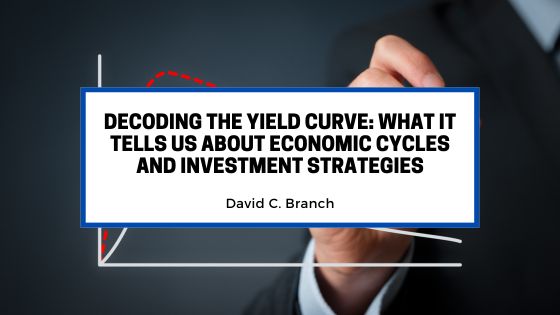
Decoding the Yield Curve: What It Tells Us About Economic Cycles and Investment Strategies
The yield curve is a critical indicator in finance, offering insights into economic cycles and guiding investment strategies. By analyzing the relationship between short-term and long-term interest rates, the yield curve reflects market expectations about future...

Maximizing Value in M&A: Financial Best Practices for Medical Industry Professionals
In the medical industry, mergers and acquisitions (M&A) present unique opportunities for growth and expansion. However, to maximize value in these transactions, medical professionals must employ financial best practices tailored to the complex landscape of...

The Role of Private Equity in the Healthcare Industry: What Medical Practices Need to Know
Private equity (PE) firms have become significant players in the healthcare industry, investing in medical practices, from primary care to specialized fields like dermatology, ophthalmology, and dentistry. For many medical practices, partnering with a PE firm offers...